 Woodlouse
 Pipistrelle bat
 Nettle
 Woodpecker
 Poppy
Poppy Snowdrop
 Oak
Oak%20-%20birdsbloomsandbumbles.jpg "Beech tree nut shells (called beech mast) - birdsbloomsandbumbles") Beech
Beech Treecreeper
 Fungi
Fungi About Us
 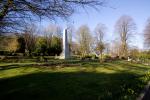 The War Memorial
 .jpg) The Park Shelter (The Budgie Hut)
The Park Shelter (The Budgie Hut) 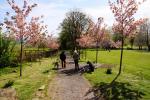 Blossom Avenue
  Our Past Events
 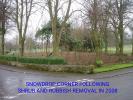 Snow Drop Corner
  Park Projects - Past & Present
  The Legal Bit
Oak tree
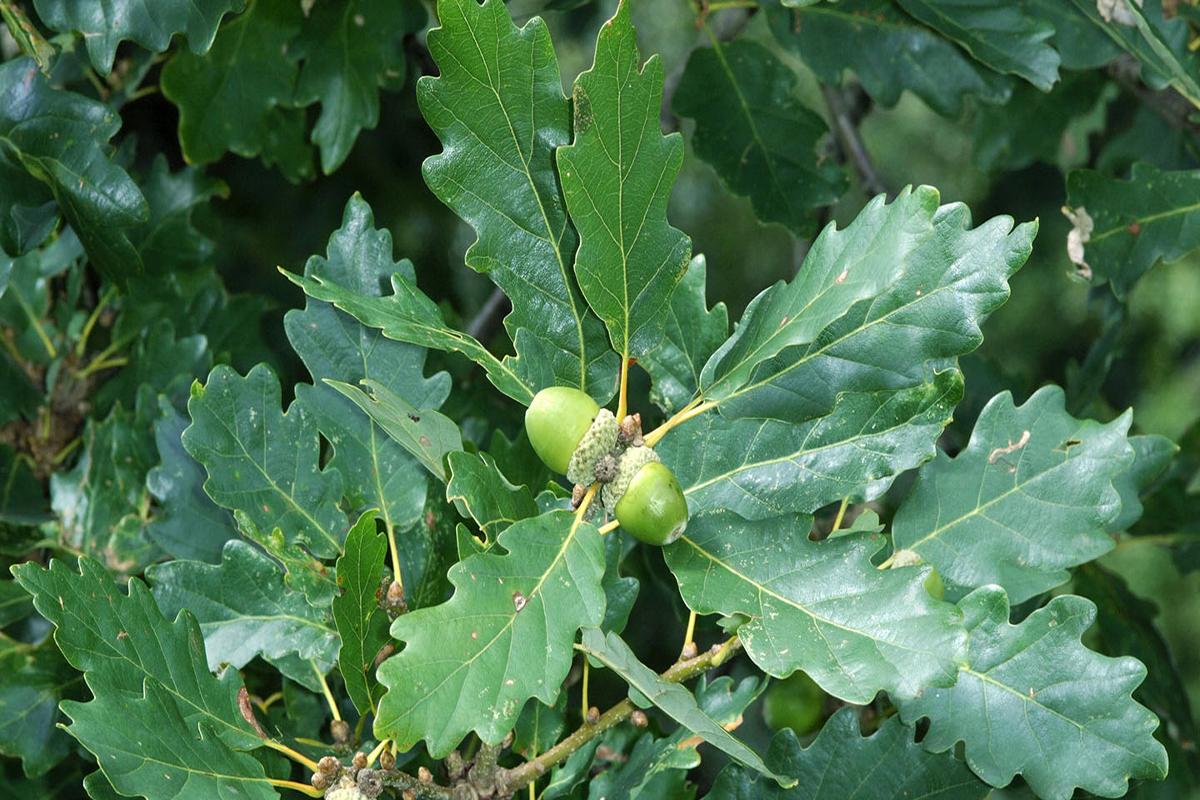
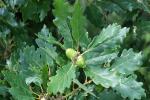
Look out for large trees with sprawling twisty branches and deeply ridged bark. If you’re at the QR code post in Memorial Park, the tree nearest is an oak. Oak leaves are unmistakeable as they are smooth with 4–5 deep lobes and smooth edges. They grow in bunches and dead leaves stay on stems long into winter, making trees easier to identify.
An oak tree provides food and habitat for over 2,300 species in its 900-year lifetime. This is more than any other species in the UK! Hundreds of insects live under the bark and in decaying leaf litter under the trees. Holes and crevices in the tree bark provide nesting and roosting spots for birds and bats. In May, caterpillars of the purple hairstreak butterfly feed on the fresh oak leaves. In September, oak trees drop acorns which sprout into new tree saplings the following year. Most never get the chance to germinate though as they eaten by jays, mice, squirrels, badgers and deer.
Oak trees can grow to up to 40m tall. In the past this has made them excellent for ship building. The HMS Victory, which was Lord Nelson's flagship at the Battle of Trafalgar, was made mostly of oak. It took 6,000 trees to build it!
Oak trees play a significant role in extracting carbon from the environment, and also storing it because they are so long-lived.
Did you know?
Oaks are more likely to be struck by lightning than other trees, possibly as they are often the tallest feature in a landscape. In the past they have been linked to many gods of thunder and lightning, including Zeus, Jupiter and the Celtic Dagda.
Connect to nature:
Take a wander through Round Wood and the park and count as many leaf shapes as you can.
Kids activity:
Collect leaves of different shapes from the ground around the park and press them in some books. Can you identify an oak leaf? Once they’re pressed you could use the leaves to make a picture or display.
Click on a thumbnail image below, then scroll through the larger pictures at your own pace, by clicking on the arrows