 About Us
 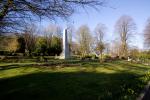 The War Memorial
 .jpg) The Park Shelter (The Budgie Hut)
The Park Shelter (The Budgie Hut) 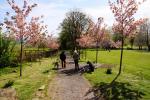 Blossom Avenue
  Our Past Events
 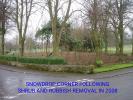 Snow Drop Corner
  Park Projects - Past & Present
 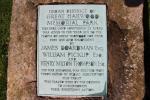 The Legal Bit
 %20-%20birdsbloomsandbumbles.jpg)
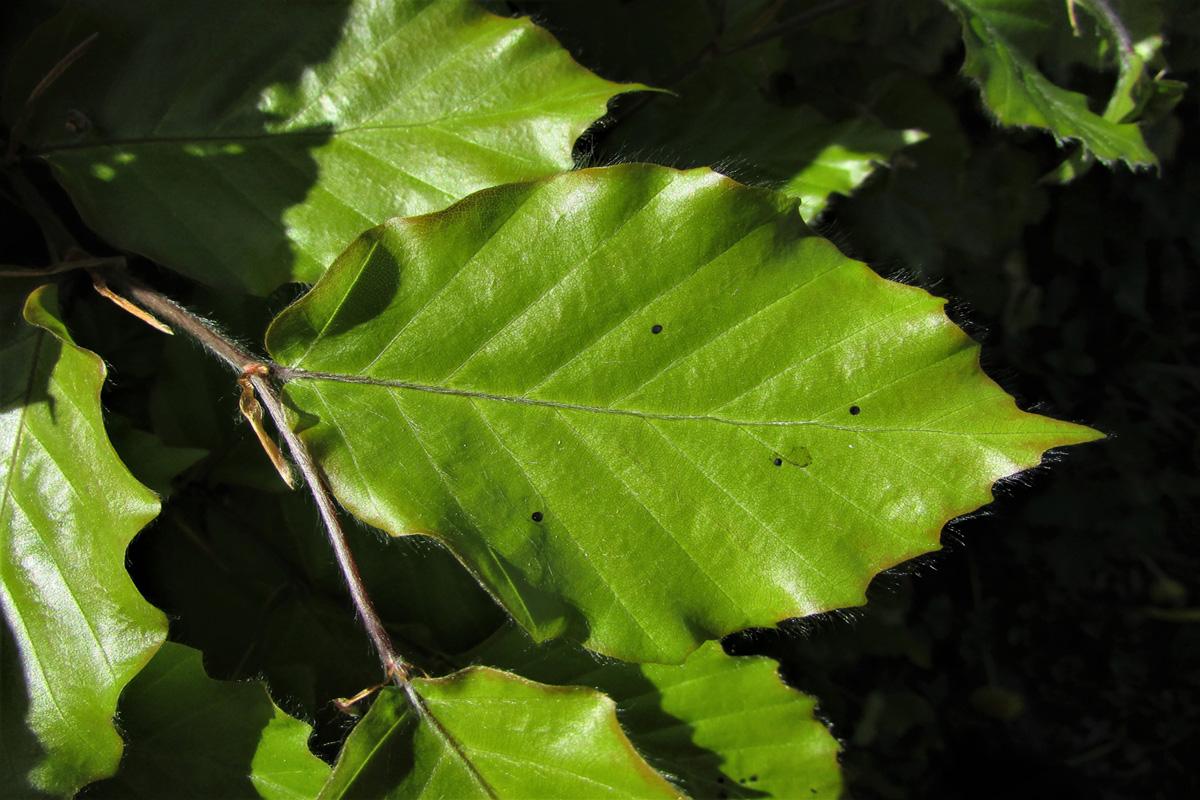
Beech Leaf
Beech trees have smooth, grey bark and smooth oval leaves, up to 10cm long with a pointed tip and wavy edges. If you’re stood by the QR code post in Memorial Park look up. Can you identify the beech tree?
Mature trees grow to a height of more than 40m and develop a huge domed crown. The one next to the post in Memorial Park was likely planted with the rest of Round Wood around 1850, so is over 170 years old.
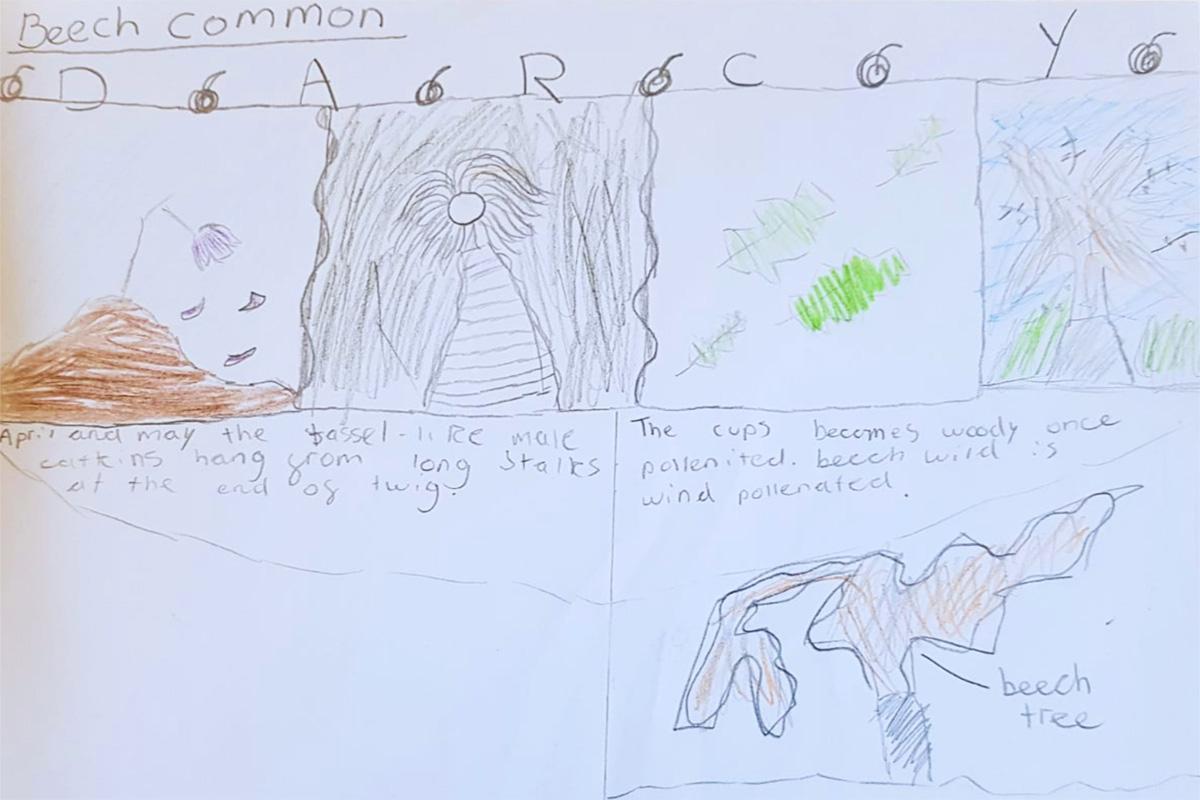
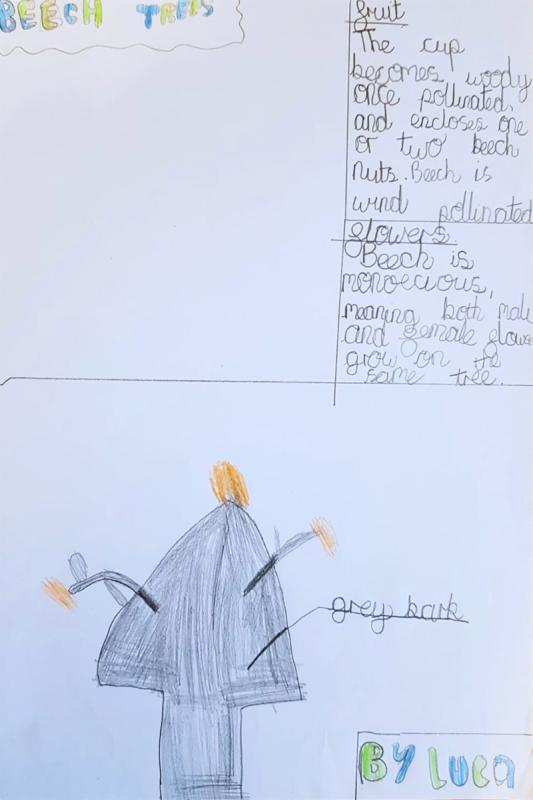
Beech trees arrived in the UK during the Bronze Age and are considered a native species to south east England and south east Wales. They provide important food and habitat for lots of species. The bark is often home to a variety of fungi, mosses, lichens. The leaves are eaten by moth caterpillars and the beech nuts, protected by prickly seed cases, are eaten by mice, voles, squirrels and birds. As beech trees mature, they become gnarled and develop crevices and nooks which provide shelter for bats, birds and insects.
Groups of beech trees also create a microclimate around them. The dense canopy shades out most plants and specialised plants can thrive.
Did you know?
Some beech trees have purple leaves due to natural changes in their genes. They are called copper beeches. Because of their unusual colouring they’re often planted in parklands. See if you can spot some dotted around Memorial Park!
Connect to nature:
Beech trees have a fantastic canopy of leaves in the summer and autumn months. Take time to look up as you walk through Round Wood and focus on the colours and shapes of the leaves. In winter and spring try to imagine the canopy of leaves above your head.
Kids activity:
Look out for triangular spiky beech nut cases on the ground under a beech tree. How many can you collect? Make a pattern with them on the ground.
Click on a thumbnail image below, then scroll through the larger pictures at your own pace, by clicking on the arrows
%20-%20birdsbloomsandbumbles.jpg)